
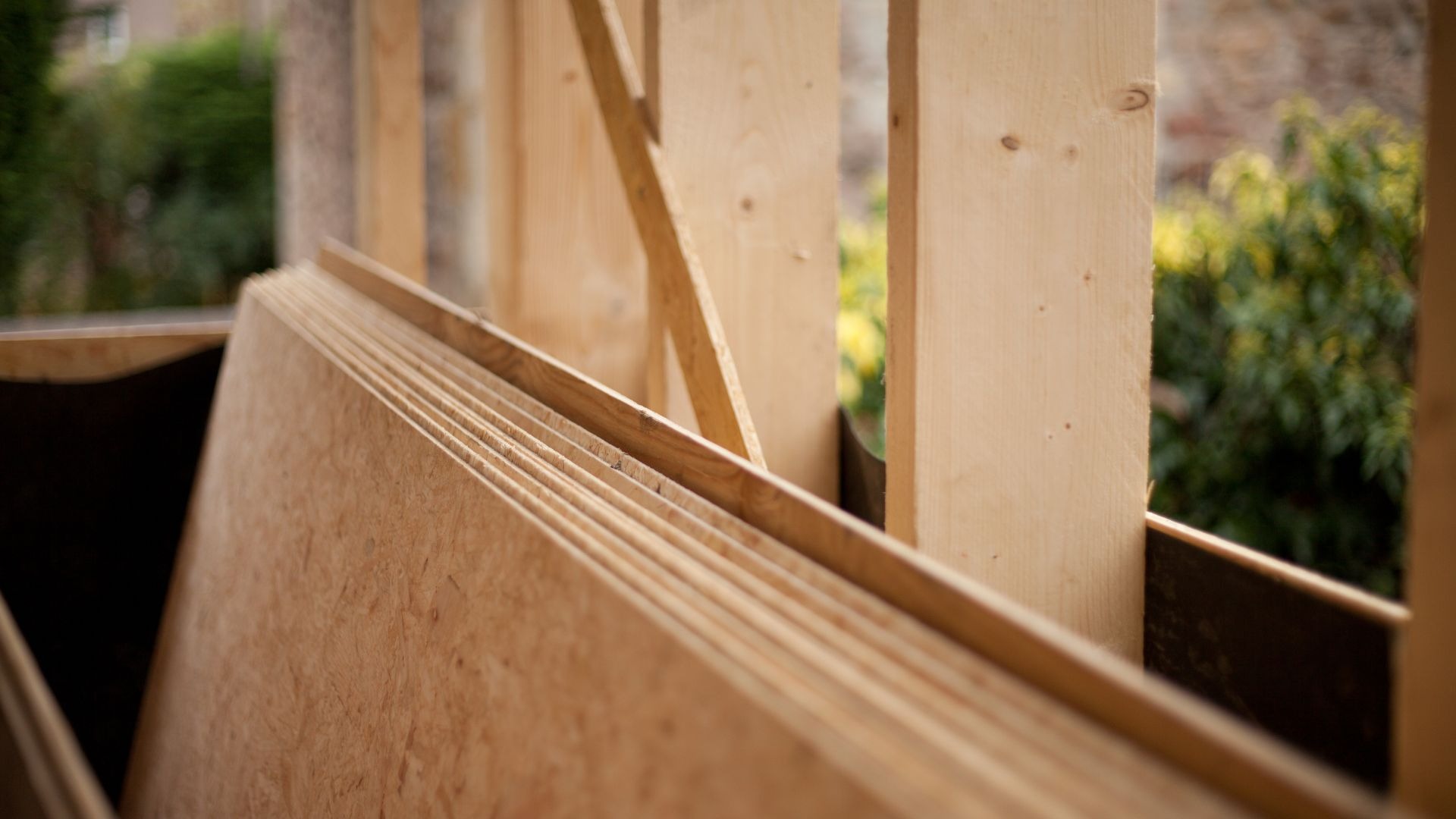
When investing in furniture or interior woodwork, durability is just as important as design. Two common threats to plywood in Indian homes are termites and borers—both insects, but with very different ways of causing damage. This often leads to confusion between termite proof plywood and borer proof plywood. While they may sound similar, they serve distinct purposes. Let’s break down the key differences so you can choose the right plywood for your needs.
What Is Termite Proof Plywood?
Termite proof plywood is specially treated to resist termites—tiny insects that live in colonies and feed on cellulose found in wood. These pests usually attack from the inside, weakening furniture and structural elements without immediate visible signs.
To prevent this, termite proof plywood is manufactured using high-quality hardwood veneers bonded with strong adhesives and chemically treated with anti-termite preservatives. These chemicals either repel termites or kill them on contact, ensuring long-term protection.
Best suited for:
- Wardrobes, beds, and sofas
- Doors and door frames
- Flooring and wall paneling
- Areas prone to termite infestation, especially ground-level installations
What Is Borer Proof Plywood?
Borer proof plywood, on the other hand, is designed to resist wood-boring insects such as powder-post beetles. Borers lay eggs on or inside the wood, and the larvae tunnel through it, leaving behind tiny holes and fine powder-like dust.
This plywood is treated with insecticidal chemicals that prevent borer attacks and stop larvae from developing inside the wood. While borers usually affect seasoned wood and furniture, their damage can significantly reduce the lifespan of plywood products.
Best suited for:
- Cabinets and shelves
- Wooden furniture in dry interiors
- Decorative panels and modular furniture
- Areas with low moisture but higher borer risk
Key Differences Between Termite Proof and Borer Proof Plywood
Type of Protection
Termite proof plywood protects against termites that attack wood in colonies, while borer proof plywood guards against beetles and larvae that drill holes into wood.
Chemical Treatment
Termite resistant plywood uses stronger preservative treatments designed for long-term soil and surface exposure. Borer proof plywood uses insecticides targeted specifically at wood-boring insects.
Damage Pattern
Termites hollow wood from the inside, often without visible signs until major damage occurs. Borers leave visible pinholes and powdery residue on the surface.
Application Areas
Termite proof plywood is ideal for heavy-use and structural furniture, whereas borer proof plywood is commonly used for indoor furniture and decorative applications.
Cost Factor
Termite proof plywood generally costs more due to advanced treatment and higher durability. Borer proof plywood is slightly more affordable and suitable for controlled indoor environments.
Which One Should You Choose?
The right choice depends on where and how the plywood will be used. If your home or project is in a termite-prone area or involves long-term furniture investment, termite proof plywood is the safer option. For interior furniture where borers are a concern but termites are less likely, borer proof plywood works well.
For maximum protection, many premium plywood brands today offer products that are resistant to both termites and borers—giving you peace of mind and longer-lasting interiors.
Final Thoughts
Understanding the difference between termite proof plywood and borer proof plywood helps you make smarter, long-term decisions for your home or workspace. Choosing the right protection not only enhances durability but also saves you from costly repairs in the future. When it comes to plywood, protection isn’t optional—it’s essential.