
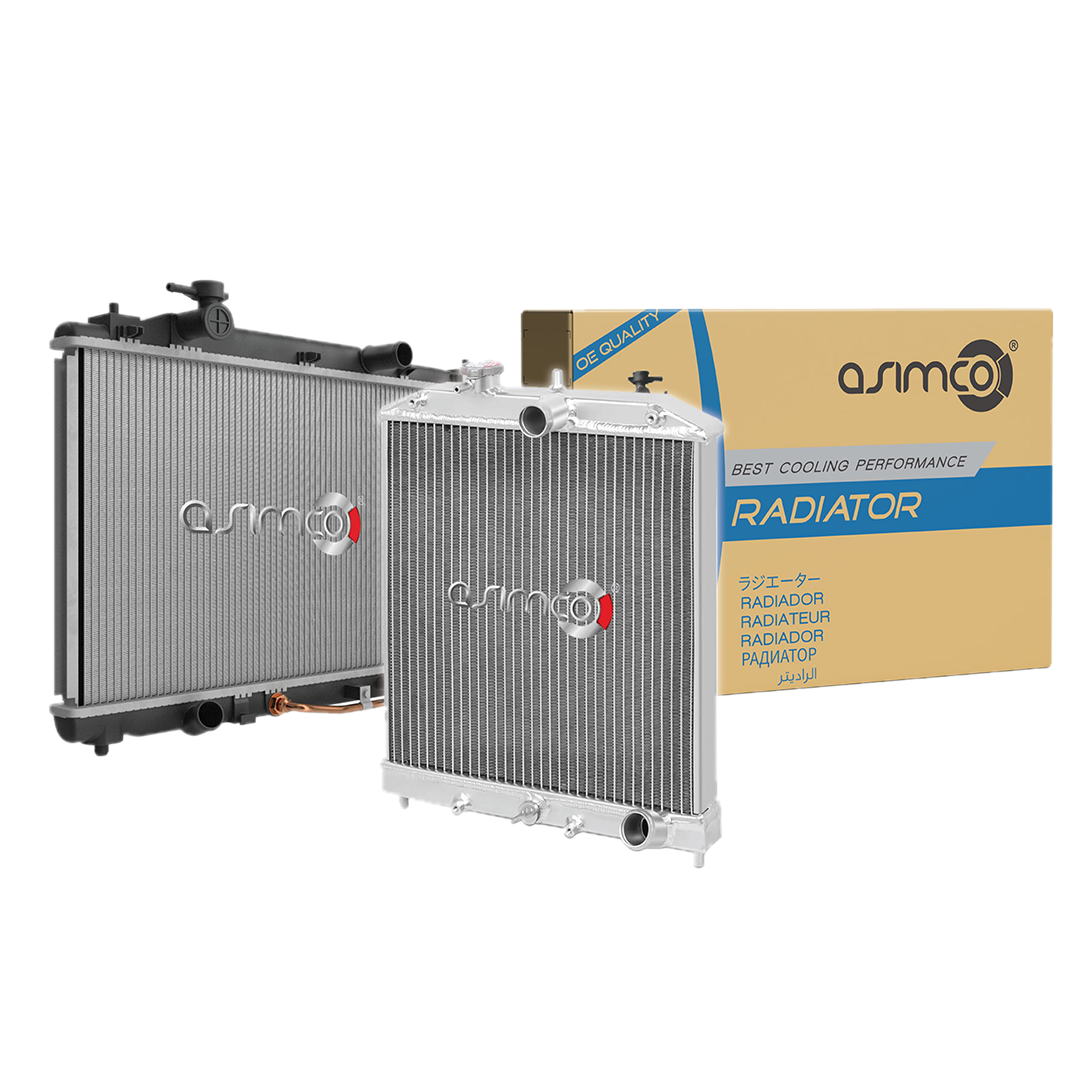
Fleet vehicles are mostly used nonstop and their engines can stay alive only when the cooling system does its job perfectly. That’s where the radiator becomes the center of that system and keeps temperatures under control while the fleet handles long hours, heavy loads and tough routes.
A well-maintained radiator helps fleets avoid long stoppages and costly heat damage that build up over time. With a little routine care, fleet owners keep repair bills lower, protect engine life and maintain steady performance across every vehicle on the road.
What Is A Radiator in Fleets?
A radiator is a key part of a vehicle’s cooling system and its main job is to carry heat away from the engine so the temperature stays under control. It looks similar to a metal box with many thin tubes and fins that help release heat into the air.
How A Radiator Works?
The radiators send the hot coolant away from the engine, cool it and then return it to start the cycle again. When the coolant moves through the engine then it picks up heat and carries it to the radiator.
Air flowing through the thin fins cools the fluid and makes it ready to return to the engine for another round. This steady loop keeps the engine at a safe temperature throughout every drive.
Common Radiator Problems In Fleets
Radiators in fleet vehicles deal with more strain than regular car radiators and this extra pressure creates problems that show up only when the temperature gauge starts to rise. Fixing these problems early helps avoid sudden breakdowns.
- Low Or Contaminated Coolant
Coolant levels drop because of small leaks that are not easy to notice. Sometimes the coolant becomes dirty or loses its strength after many months of use. When the fluid is low or old then heat does not move out of the engine fast enough. This makes the engine work harder which slowly harms important parts.
- Leaks And Cracks
Radiator tanks, hoses and joints expand and shrink with temperature changes and small cracks appear over time through which the coolant leaks little by little. When the system loses enough fluid then the engine temperature rises faster.
- Clogged Radiator Fins
Radiator fins collect dust, insects and small road debris which slows down the air flow and also traps the heat inside the radiator. The vehicles which are usually driven on dusty roads or near construction sites face this problem more often.
- Faulty Radiator Cap Or Thermostat
The radiator cap controls pressure and the thermostat helps the engine reach the right temperature. When either of them begins to fail then cooling flow gets disrupted. The engine heats up too fast or takes too long to cool which creates a cycle that harms parts connected to the cooling system.
- Corrosion Or Rust
Radiators made of metal react slowly to moisture and chemicals inside coolant. When the mixture becomes old or contaminated then rust patches are formed. This corrosion or rust weakens the structure and leads to leaks or blockage inside the radiator.
Benefits Of Regular Radiator Maintenance
Giving your radiators consistent attention provides powerful advantages for any fleet operator. Good cooling care also brings financial benefits by lowering the need for big repairs.
- Prevents Overheating
Keep the radiator clean and the coolant fresh so that the cooling system carries out heat effectively as it is one of the main threats to any engine. This helps drivers avoid sudden temperature spikes that stop vehicles in the middle of the journey.
- Improves Fuel Efficiency
When the radiator becomes dirty or clogged then the engine has to push harder to keep running which raises fuel use. Whereas, a stable cooling system helps fuel burn more evenly which makes a real difference for fleet operations covering long distances.
- Saves High Repair Costs
Overheating usually leads to expensive issues like gasket damage or warped engine parts. When the radiator stays in good shape then these costly failures are avoided. Spending a little on maintenance is far cheaper than replacing engine components.
- Extends Vehicle Lifespan
Vehicles last longer when their engines remain cool during tough conditions. Radiators that perform well allow engines to run smoothly for years which supports better value from every unit in the fleet.
- Identify Potential Issues Early
Routine checks help fleet teams notice leaks, loose fittings or worn parts long before they turn into bigger problems. Finding these issues early keeps the cooling system steady and the vehicles ready for daily use.
- Maintain Warranty Coverage
Many fleet vehicles stay protected under warranty only when regular cooling system care is recorded. Keeping the radiator serviced helps retain warranty benefits offered by car radiator manufacturers or auto parts distributors preventing unexpected repair costs.
Essential Radiator Maintenance Practices
It is just simple and steady care required to maintain the cooling system of the vehicles. Many car radiator suppliers recommend these basic habits to protect your radiator.
Following this advice helps the engine maintain its temperature and prevents your fleet vehicles from suddenly breaking down.
- Scheduled Coolant Flushes
Coolant should be replaced at set intervals because old fluid loses its strength. A proper flush removes dirt and particles that affect cooling flow and fresh coolant helps the radiator move heat faster and reduces wear.
- Inspecting Connections
The radiator connects to the engine using many rubber hoses, metal clamps and small fittings. Because of constant engine shaking and movement, these parts eventually wear out. You need to look closely at them often to protect the radiator and keep the rest of the cooling system working right.
- Cleaning Radiator Fins
A gentle wash or air blow removes the dust and debris trapped between fins. Clear fins help air move freely which improves cooling. This step is especially useful for fleets driving through sandy or dusty regions.
- Checking For Leaks
Sometimes leaks appear as small wet spots or dried coolant marks around the radiator. Finding them at the initial stage stops coolant loss and gives technicians a chance to repair the affected area before it gets worse.
- Radiator Pressure Testing
A radiator pressure test is a simple way to check the strength of your cooling system and find small leaks or weak spots. In this test, a mechanic carefully adds air pressure to the system up to a set level.
They then watch a gauge; if the pressure drops then it signals there is a leak somewhere. This method allows skilled mechanics to quickly find the exact damaged area and then recommend a simple repair or a full replacement part.
Conclusion
When you keep your radiator well-maintained then your vehicles will run safer and smoother. Fixing things now and preventive care is much cheaper than the cost of a surprise engine failure later.
A trusted car radiator manufacturer like Asmico understands cooling system needs and supports vehicles with the right care at the right time. Asmico also provides durable radiator parts built for heavy use and offers reliable technical guidance that helps fleet teams make the right maintenance choices.
With strong products and steady support, fleet owners gain long-term value and consistent performance across their vehicles.