
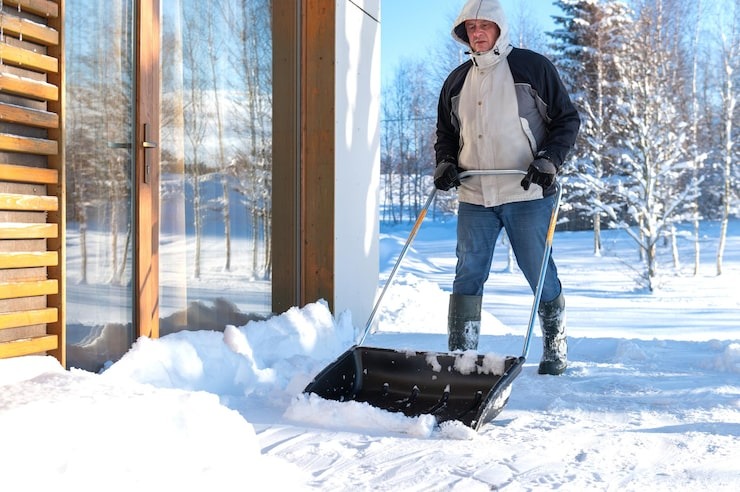
When icy or frozen precipitation covers driveways and walkways, questions often arise about who should handle the task. Some property agreements include clauses that suggest occupants might take on clearing duties themselves. However, the rules aren’t always straightforward, and local regulations can affect what is allowed or required. Many property owners prefer to hire services to deal with the buildup, but others try to shift that responsibility to the people living there. It can feel confusing, especially if you assumed maintenance was fully covered by the property owner. Understanding the boundaries between personal responsibility and property obligations is important before any agreement is signed or action is expected. You might wonder about liability if someone slips or if damage occurs while clearing the area. Sometimes, even when occupants are asked to handle it, the property manager might still bear some risk legally. It’s a fine line that depends on the lease wording, municipal rules, and common practices in your region. Before committing to clearing pathways yourself, it can be helpful to review the terms carefully and even discuss options. Alternatives such as professional services or shared arrangements can reduce uncertainty. Knowing what’s expected helps prevent disputes and keeps everyone safer during the colder months.
Obligations for Occupants to Clear Winter Accumulations
Property agreements sometimes include clauses that suggest people living on the premises might handle clearing pathways themselves. This is more common in smaller rental units or shared buildings where services are limited. You might notice some agreements are vague, leaving room for interpretation about what is expected. Local bylaws often influence whether residents can be asked to deal with icy or frozen surfaces. In some cities, regulations clearly state that the property owner must ensure sidewalks are safe, while in others, occupants may be responsible for certain areas. It’s worth checking municipal rules to understand who carries legal responsibility. Expectations also depend on the wording of the lease. If it specifically assigns responsibility for winter cleanup to the people living there, it’s usually enforceable. Yet even then, the property manager might still face liability if an injury occurs. This is where things get tricky and why some people hesitate before agreeing to such terms.
Practical Points to Consider
Before agreeing to handle icy or frozen conditions yourself, review your agreement carefully. Consider whether:
- The lease clearly defines the areas you are expected to maintain
- Local laws affect who is responsible for safety
- There are options to share or outsource the work to reduce risk
- Insurance coverage might protect against accidents
Realistic Approach
Sometimes it’s simpler to negotiate alternatives rather than take on full responsibility. Hiring professional services or arranging shared duties can reduce confusion and liability. The key is to know what your obligations are before winter sets in and to have a plan that keeps everyone safe.
Legal Responsibilities for Property Owners on Winter Clearance
Owners of rental properties carry specific duties when icy or frozen conditions affect walkways and driveways. Municipal regulations often require that areas accessible to the public are kept safe. Failing to address accumulation promptly can result in fines or liability if someone is injured. Responsibilities can vary depending on the type of building, the number of units, and the agreements in place with those living on the premises. It’s not always obvious which areas fall under the owner’s duty, so checking local bylaws is important. Sometimes even small paths must be cleared to meet legal standards.
Common Rules to Be Aware Of
Some practical points include:
- Sidewalks adjacent to the property usually require attention within a specific timeframe after precipitation ends
- Driveways or private lanes may have different obligations depending on local law
- Failing to act quickly can expose the property to liability claims if someone slips
- Insurance coverage may not cover incidents caused by negligence in winter maintenance
Examples and Enforcement
Here is a brief overview of how rules can apply:
| City | Timeframe for Clearing | Areas Covered | Penalty for Noncompliance |
|---|---|---|---|
| Calgary | 24 hours after precipitation stops | Sidewalks, front walkways | Fine up to $500 per violation |
| Edmonton | 48 hours | All pedestrian access routes | Ticket or fine up to $1,000 |
| Toronto | 12 hours | Sidewalks adjoining property | Penalty $300–$1,000 depending on severity |
Understanding these obligations helps property owners plan ahead. You might find it simpler to hire a professional service to ensure compliance and reduce risk. It also clarifies expectations for residents, avoiding disputes during winter months.
When a Lease May Require Residents to Clear Winter Buildup
Some rental agreements include clauses stating that occupants are responsible for clearing icy or frozen surfaces on certain parts of the property. This often applies to smaller buildings or units where hiring external services is less common. The terms are usually spelled out clearly, though sometimes they leave room for interpretation. Municipal regulations play a role as well. Even if the lease assigns responsibility, local laws might still require property owners to ensure pathways are safe for public access. This can create a gray area where both parties have overlapping obligations. Practical points to consider include:
- Which areas are specified in the lease for clearing, such as walkways or private driveways
- The timeframe for completing the task after precipitation ends
- Whether the lease includes guidelines for safety measures, like applying salt or sand
- Liability concerns if someone slips despite the occupant’s efforts
It’s worth reviewing these clauses carefully before signing. You might want to discuss options for professional services or shared arrangements to make winter maintenance more manageable. Knowing what the lease expects helps prevent misunderstandings and keeps pathways safer during the colder months.
Potential Risks and Liability for Property Owners and Residents
Handling icy or frozen conditions comes with clear risks for everyone involved. If a pathway is left untreated, slips and falls can occur. Even when agreements assign responsibility to occupants, property owners might still face legal consequences if someone is injured. Residents should be aware that taking on clearing duties does not automatically remove liability. Accidents can happen, and courts sometimes consider whether the conditions were truly manageable or if the person was expected to take precautions beyond reason. Key points to consider include:
- Whether the lease explicitly states who is responsible for clearing each area
- Local bylaws that define minimum safety requirements
- Potential insurance coverage gaps if accidents occur during clearing
- Consequences for failing to act, including fines or legal claims
Practical examples show how quickly liability can arise. A sidewalk left untreated for a few hours can lead to a slip and a costly claim. Similarly, improper use of ice-melting materials might cause damage to property or injury, adding complexity to responsibility. To reduce risk, consider these steps:
- Clarify expectations in the lease and document any agreements
- Use professional services when conditions are heavy or difficult
- Keep records of when pathways are cleared and what measures were taken
- Ensure proper safety measures like sand or salt are applied correctly
Being proactive and understanding both legal and practical implications helps protect everyone and keeps pathways safer during winter months. You might think some responsibilities are minor, but small oversights can lead to significant problems quickly.
Practical Alternatives to Resident Winter Clearing
Relying on occupants to handle icy or frozen pathways is not the only option. Many property owners choose to hire professional services to maintain safety. This approach reduces the risk of injury and ensures compliance with local regulations. You might notice that in larger buildings or high-traffic areas, professionals are almost always used. Other strategies include shared arrangements where multiple residents coordinate responsibilities. For instance, rotating schedules for clearing driveways or walkways can make the workload more manageable. Some agreements allow for cost-sharing if a service is hired, which keeps it fair for everyone. Simple adjustments can also make a difference. Applying salt or sand ahead of a storm, keeping shovels accessible, and monitoring weather reports are small steps that prevent buildup and reduce the effort needed later. You may find these steps more practical than expecting full clearing after heavy precipitation. Key options to consider:
- Hiring a professional service with regular visits during winter months
- Establishing a shared schedule among residents for minor clearing duties
- Using preemptive measures like de-icing compounds before storms
- Combining approaches for efficiency and safety, such as professional service plus light upkeep by residents
Finding the right balance depends on your property layout, number of occupants, and local rules. Some people prefer to invest in services to avoid conflicts, while others manage with coordinated schedules. Either way, planning ahead keeps pathways safe and responsibilities clear.
Contact “PROPERTY WERKS” For More Information:
Address
1017 1 Ave NE, Calgary, AB T2E 0C9
Phone
403 239-1269
Hours of operation
Weeksdays 9 a.m.–5 p.m.
Website
Map
Get DirectionsQ&A:
Is it legal for a property owner to require residents to clear icy walkways?
Yes, in some cases agreements can assign responsibility for clearing frozen surfaces to occupants. However, local laws may still require the property owner to ensure public access routes are safe. It’s important to check municipal regulations and the wording of your lease to understand who is legally responsible.
What areas might residents be expected to maintain during winter?
Responsibilities typically include sidewalks immediately adjacent to the property, private driveways, and walkways leading to entrances. The specific areas should be outlined in the lease. Without clear definitions, disputes can arise, so clarity is important for both parties.
What are the risks if occupants are asked to handle icy conditions themselves?
Taking on clearing duties does not remove liability. If someone slips or property is damaged during the process, both the person performing the task and the property owner could face legal consequences. Insurance may not always cover accidents, so precautions are recommended.
Are there alternatives to having residents handle winter maintenance?
Yes, hiring professional services is common, especially for larger properties or heavy snowfall. Shared schedules among residents or preemptive use of salt and sand are also practical. Combining methods often reduces risk and keeps pathways safer while clarifying responsibilities.
How should residents approach a lease that requires them to clear pathways?
Review the lease carefully to understand the expectations, timelines, and specific areas involved. Discuss options with the property owner if the requirements seem unclear or burdensome. Documenting agreements and keeping records of when maintenance is performed can help protect against disputes or liability claims.